Don’t Miss Our Valentine Special | Flat £50 Off on Visa!
 447300463745
 02084326004
Don’t Miss Our Valentine Special | Flat £50 Off on Visa!
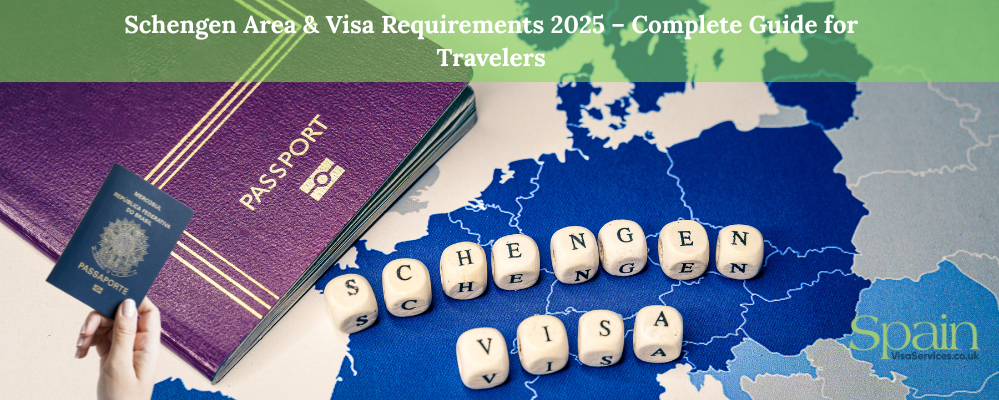
The Schengen Visa is the key to unlocking all of your dreams, whether you want to stroll through Parisian streets or explore the fjords in Norway. Understanding how to apply and what documents are required is important for travellers who live in the UK but are not UK citizens. This will help them avoid any last-minute disappointment or stress. This guide will help you plan your European trip this year, from visa requirements and local tips to the latest visa hacks.
The term Schengen is derived from a small Luxembourg village where in 1985 several European countries signed a treaty to eliminate internal border controls. This agreement evolved over time into the Schengen Area, a zone that includes several European countries and allows them to travel freely without passport checks. It covers most of continental Europe today, making travel easier and quicker for travellers and tourists.
A Schengen visa is a short-stay visa that lets you travel within the entire Schengen Area using just one document, instead of needing separate visas for each country. It’s usually valid for up to 90 days within a 180-day period. This visa is perfect for holidays, business trips, visiting family, or attending conferences anywhere in Schengen member countries.
Depending on your travel plans and history, you can get a single-entry visa (one trip only) or a multiple-entry visa, which makes it easier to travel back and forth over a longer period.
As of 2025, 29 European countries participate in the Schengen Agreement and issue Schengen visas. These include popular destinations like France, Germany, Italy, Spain, Portugal, the Netherlands, Belgium, Greece, Switzerland, Austria, and Sweden, as well as others such as Poland, Czech Republic, Hungary, Croatia and the recently joined Romania and Bulgaria.
Some EU countries aren’t part of Schengen (like Ireland), and a few non-EU countries (such as Norway, Iceland, Switzerland, and Liechtenstein) do participate — so always check the most updated list before you plan.
Starting in 2025, travellers who don’t need a Schengen visa (like UK passport holders, Americans, Canadians, Australians, etc.) will instead need to get an ETIAS authorisation before entering the Schengen Area.
ETIAS stands for European Travel Information and Authorisation System. It’s not a visa but a quick online security check. You apply online, pay a small fee (around €7), and usually get approval within minutes or hours. ETIAS is valid for multiple trips over several years and is designed to enhance border security while keeping travel easy for visa-free visitors.
The Schengen Area is a zone that allows you to travel across 27 European countries with a single visa, without border checks between them. This means you can take a train from Amsterdam to Paris, fly to Rome, and continue on to sunny Spain — all on the same trip. In 2025, the list still includes classics like France, Germany, Italy, Spain and Portugal, as well as countries such as Poland, Greece, and the more recently added Croatia. For travellers, it feels like exploring one big open Europe rather than separate countries.
List real seasonal events, festivals, and local holidays travelers can plan trips around:
Also check, Spain Visa for UK Residents : Requirements and How to Apply
Break it down into spring, summer, autumn, winter with sample average costs:
| Season | Avg Flight (UK- Schengen) | Avg Hotel/night (3*) | Why visit / Notes |
| Spring (Mar–May) | £120–£200 | £70–£110 | Fewer crowds, flower festivals |
| Summer (Jun–Aug) | £180–£300+ | £120–£200+ | Peak season, higher prices |
| Autumn (Sep–Nov) | £100–£180 | £60–£90 | Mild weather, harvest festivals |
| Winter (Dec–Feb) | £90–£150 | £80–£130 | Christmas markets, ski season |
| Season | Destination | Photo highlight |
| Spring | Keukenhof Gardens, Netherlands | Endless tulip fields |
| Summer | Cinque Terre, Italy | Colorful cliffside villages & sunset sea shots |
| Autumn | Bavaria, Germany | Golden forests & fairy-tale castles like Neuschwanstein |
| Winter | Hallstatt, Austria | Snowy lakeside village straight out of a postcard |
This part often confuses people. If you have a UK passport, you can travel to the Schengen Area without a visa for up to 90 days in any 180-day period.
But if you live in the UK and hold a passport from outside the EU — for example, Indian, Pakistani, Nigerian or Chinese — you’ll usually need to apply for a Schengen visa. It doesn’t matter how long you’ve lived in the UK; what matters is your nationality, not your UK residency. So before booking your trip, always check if your passport requires a visa.
Applying for a Spain Schengen visa can sound intimidating, but once you break it down, it becomes manageable. The first step is deciding your main destination country — usually the place you’ll spend the longest part of your trip. Then, book an appointment at the Visa centre website but as many peoples are also not getting any visa appointment from UK so we at SPAIN VISA SERVICES is here to help the UK residents to get the visa appointment slots.
Next, you’ll need to gather your documents carefully or visit the Spain visa document page. For 2025, this typically includes your passport (which must be valid for at least three months after your planned return), a completed and signed application form, recent passport sized photos, proof of travel insurance that covers medical emergencies up to €30,000 and a Resident Permit or UK eVisa. You’ll also need to show evidence of your accommodation bookings, flight reservations, and recent bank statements to prove you can afford your trip. If you work or study, include a recent employment letter or a letter from your university.
On the day of your appointment, you’ll submit your biometric data (fingerprints and photo) and pay the visa centre fees. Then, it’s time to wait most decisions come back within 15–30 days, although processing times can be quicker if you apply with us we can take care your document process and helping to get the visa approved. .
One of the biggest advantages of the Schengen visa is flexibility. With a standard short-stay Schengen visa, you can spend up to 90 days within any 180-day period across all Schengen countries. That means you could plan a three-month adventure, or several shorter trips — as long as the combined total doesn’t exceed 90 days within that rolling six-month period.
Even better, you don’t have to stick to just one country. Once you enter the Schengen zone, you can freely travel to other member countries without additional visas or border checks. This makes it perfect for multi-country trips, whether it’s a weekend hop from Paris to Amsterdam or a longer overland journey across Southern Europe.
Each year, thousands of applications get rejected, often for reasons that could easily have been prevented. The most common issues include missing or incorrect documents, invalid travel insurance (for example, if the dates don’t cover your trip), and unclear travel plans. Another big red flag is inconsistent financial information — if your bank statements don’t clearly show you can afford your planned stay, it raises questions.
To avoid disappointment, always double-check every document, make sure your travel plans make sense (like booking accommodation in the country you say is your main destination), and write a short, honest cover letter explaining why you’re travelling and how you’ll finance your stay. If your documents are in order and your story is clear, your chances of approval increase significantly.
Travellers often wonder: “Which Schengen country is the easiest to get a visa from the UK?” While there’s no official list, historical data shows that countries like Portugal, Lithuania, Spain and Luxembourg often have slightly higher acceptance rates and sometimes shorter waiting times. Of course, you should always apply to the country where you’ll spend the most time, but if your trip is split equally between countries, you might choose one of these as your entry point.
In 2025, the standard Schengen visa fee for around 179 Pounds our charges including the preparing the documents and the appointment booking. A first visa is usually issued as a single-entry visa, valid for the dates you specify.
If you are a frequent traveller, you can apply for a multiple-entry Schengen visa, which could be valid for one year, two years, or even up to five years. This doesn’t extend your stay beyond the 90 days in 180 rule, but it makes it easier to plan multiple trips without reapplying each time.
A Schengen visa might feel complicated at first glance, but if you are choosing the right agency for applying Schengen visa application just like SPAIN VISA SERVICES we have proper booking system and up-to-date information, it opens the door to some of Europe’s most beautiful destinations. Remember to start your application early, check your documents twice, and consider applying during quieter months to speed things up.
As of 2025, there are over 29 countries, including France, Germany, Italy, Spain, Portugal, Greece, Poland, Bulgaria, Romania and many more.
Yes UK residents needs a Schengen visa but UK citizens don’t need a Schengen visa for short visits, up to 90 days, but non-EU residents living in the UK usually do.
Yes, of course you can visit to the any Schengen zone with the single visa for example if you want to visit Spain then you can visit firstly Spain then you can travel to the other Schengen countries but make sure as long as you follow the 90/180 rule.
The best time to apply for the spain Schengen visa Ideally, around 2–3 months before your planned trip. But if you want to travel recently the no worry about it we are here to help to achieve your journey successfully.
For applying spain visa you need a passport, visa form, recent photos, travel insurance, travel bookings, proof of funds, UK Resident permit/ UK Evisa and employment or study documents.
You can stay in the Schengen Area for up to 90 days in any rolling 180-day period.
With the right preparation, you can avoid common pitfalls, increase your chances of approval — and soon find yourself walking through medieval streets, soaking up café culture, and exploring hidden European gems. Here’s to making your 2025 trip unforgettable!

We simplify tourist and business visas so you can focus on your trip ahead.



 Spain Events & Festivals